6 Strange but (Often) True Ways to Predict How Harsh Winter Will Be
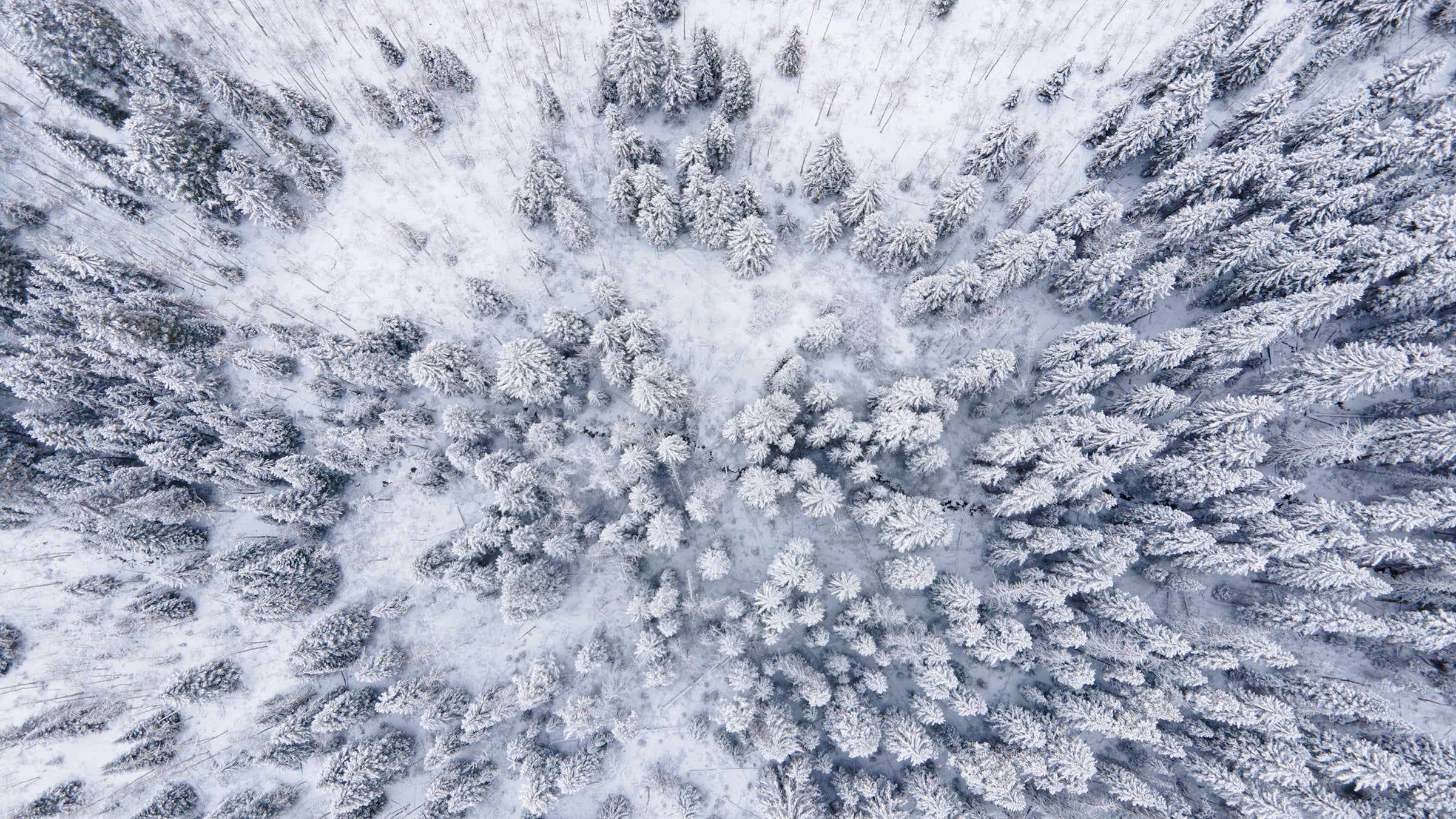
For snow enthusiasts, theOld Farmer’s Almanacholds a mythical power. Published in late summer, these reports detail just how long and how intense the upcoming cold season will be and have become the unofficial gold standard for winter predictions. But long before we started listening to an aging guy with a pitchfork and a weather obsession, we looked to natural indicators for ourlong-term weather info.
These old wives’ tales prediction methods were likely more entertaining than accurate, ranging from the innocuous to the bizarre. Still, they’ve had some serious staying power. Not sure about throwing all your eggs in theAlmanac’sbasket? Here’s a few alternative ways to see what might be in store for the winter months ahead.
1. Mushrooms Galore, Much Snow in Store
A rhyme too good to not accept as hard evidence, this old wives’ tale points toward our fungi friends as the ultimate winter weather predictor. Yourforaging seasongoing a little too well? It might be time to start practicing those mushroom soup recipes, because it’s about to get real deep out there.
2. Thicker Woolly Caterpillar Bands
These fuzzycaterpillarsare known for their colorful band of red-brown in between its two black ends. Some years, the black bands are thicker than the middle red-brown section, indicating an intense winter to come, or so they say.
3. Fatter Squirrels, Fatter Snowpack
If rabbits andsquirrelslook a little rounder than usual, they could be loading up for a harsh winter ahead. This method doesn’t necessarily work for humans, but it doesn’t mean many of us won’t give it a go.
4. Deeper the Mole Hole…
A popular old adage said that a harsh winter could be predicted by simply measuring your nearestmole hole. If it’s deeper than 2.5 feet, a nasty winter is ahead. Anything shallower points toward a milder cold season. The logic here makes sense, as deep freezes can solidify surfaces and make burrowing more difficult for underground dwellers. Alright, now where’s the measuring tape?
5. Mo Acorns, Mo Problems
According to popular amateur science, an abundance of fallenacornsmeans you should probably buy that insulated ski jacket. If you need any more convincing, a thicker-than-normal shell indicates a colder winter. That’s nuts!
6. November Holds the Key
This might be the strangestrhymeof the bunch, while providing the most solid predictions of the winter to come.
“Ice in November to bury a duck, the rest of winter is slush and muck.”
This lyrical ode suggests that November weather is the key for understanding the longterm winter forecast. A cold, icy November is often proceeded by a wet and messy winter. Ask many a backcountry skier and they’ll vouch for this, as early season cold can lead to big headaches in the traditionally snowy months.